



- TRENDING
-
 The Workout Music Friday Five-Pack, V30 — Drake, Audien, Lady Antebellum, and Tove Lo[G]et amped. Every Friday we're dropping a five-pack of heart-thumping, blood-pumping workout songs to build out your playlist, hardwire a little energy into your workouts, and kickstart the...
 -
 [WOTM, 08/2015] Chisel Out Your Abs With The Oblique Obliterator Workout Gauntlet[C]hip, chip, chip away. When people think of gorgeous, tight, lickable abs, the six-pack muscles (aka the rectus abdominis) immediately jump into mind. They're glamorized by every Hollywood...
 -
 Olivia Munn Is An Absolute BEAST In Combat Training Video For X-Men: Apocalypse [Video]A video posted by Olivia Munn (@oliviamunn) on Aug 1, 2015 at 11:15am PDT [Y]ou should be VERY, very scared of Olivia Munn. At least while she's training for her role as Psylocke—a...
 -
 The Coke Effect: What Happens In Your Body After Chugging A Can Of Coke [Infographic][P]ssssssssh, how bad can an itty, bitty 140 calories really be? Not that it's mind-blowing whatsoever—we've been hating on soda hardcore for years—but if that 140 comes straight from a...
 -
 The Workout Music Friday Five-Pack, V29 — Kaskade, Meek Mill, Major Lazer, & Martin Garrix[G]et amped. Every Friday we're dropping a five-pack of heart-thumping, blood-pumping workout songs to build out your playlist, hardwire a little energy into your workouts, and kickstart the...
 -
 Upgrade Your Lettuce Game — Boost Your Nutrient Intake 3000% With This Two Second Salad HackImage: Epicurious [W]hat if we told you one mindless—and laughably easy—nutrition hack could boost your vitamin K, vitamin A, and vitamin C intake by over 3000%, and your potassium, calcium,...
 -
 The Degree #GetMoving Challenge Week 4 — Push Yourself To Exhaustion With Crunch-Jump Rope Uber Supersets*This article originally appeared in Men's Health and was adapted for Lean It UP. [D]IPSET, DIPSET, DIPSET. We're halfway there. If you've been moving vigorously and maxing out over the...
 -
 10 Naked World Class Athletes Dish On Body Image & Feeling Awesome In Your Own Skin [PHOTOS][O]ne size doesn't fit all. Want a little explosive inspiration to light up your week? Look no further than the lineup of world class athletes gracing the pages—completely au naturel—of...
 -
 The Degree #GetMoving Challenge Week 2 — MAX OUT Your Body With Explosive Lunges, Push Ups, & Squats*This article originally appeared in Men's Health and was adapted for Lean It UP. [A]aaaaaaaaaaaand we're off. After a relatively simple week one—walk 12,500 steps/day—the Degree...
 -
 [WOTM, 07/2015] SHRED UP Your Body Outdoors With The Bodyweight Hyperburner Workout Circuit[G]ET OUTSIDE. We adore the gym and love crushing weights just as much as anyone. It's basically a second home. But let's get serious for a second — it's July and it's GORGEOUS outside....
 -
 Washington Nationals' OF Bryce Harper Is Straight SHREDDED In ESPN's 2015 Body IssueImage: ESPN “You’re growing up and you go, ‘I want to be on the front of a Wheaties box, I want to be on the front of a Topps card, you want to be on the Body Issue” —...
 -
 The Workout Music Friday Five-Pack, V28 — Flo Rida, Drake, Afrojack, & Dillon Francis[G]et amped. Every Friday we're dropping a five-pack of heart-thumping, blood-pumping workout songs to build out your playlist, hardwire a little energy into your workouts, and kickstart the...
-






Part III: Science-Backed Supplement Recommendations — The Simple, Beginner’s Guide To Strength And Muscle-Building
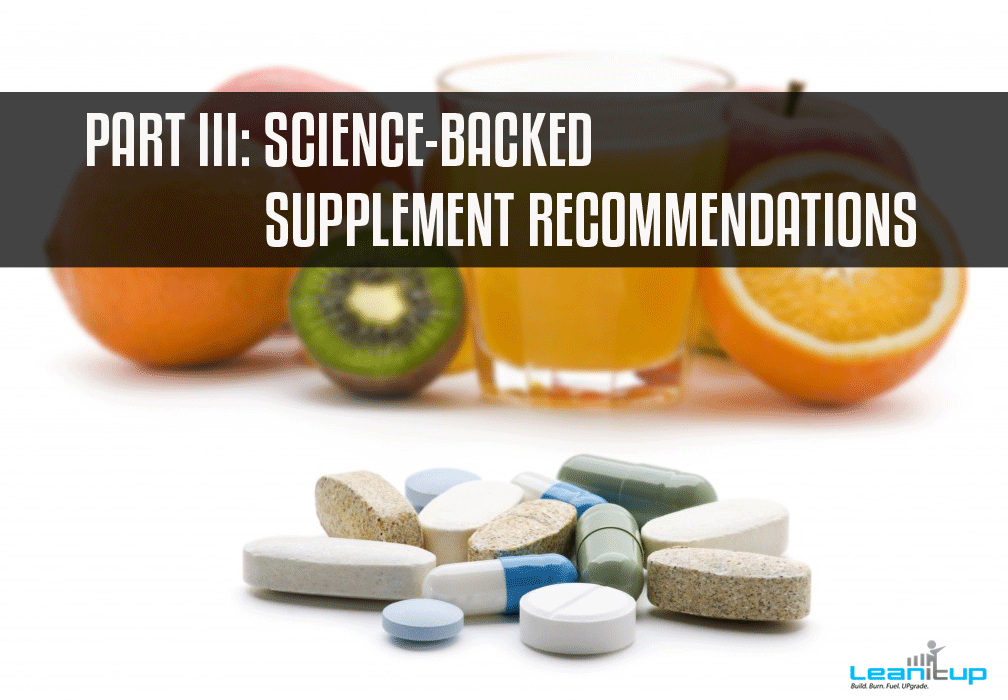
*Science-Backed Supplement Recommendations is part III in our four-part ‘Simple, Beginner’s Guide To Strength And Muscle-Building.’
Part 1: Nutrition
Part 2: The Lean It UP 5×5 Workout Plan
Part 4: 10 Tips For Surefire Success
The supplement industry is a multibillion-dollar goliath that preys on beginners for profit. Unlike pharmaceuticals, the FDA does not regulate supplements, which makes it very easy for supplement companies to make claims that are half-truths and sometimes outright lies.
Fortunately for you guys and gals I have no financial interest in any of the supplement companies. My goal is to provide honest supplement recommendations that are backed by science. Before reading, realize that this is part III of ‘The Simple, Beginner’s Guide To Strength And Muscle-Building’ series for a reason – parts I & II are more important. Only once you have the nutrition and training down, THEN can you start considering supplements.

Whey Protein Powder
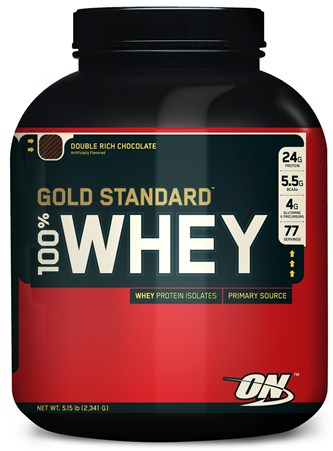
Whey Protein Powder
Simply put, resistance training stimulates muscle protein synthesis (the process of building new muscle tissue) and provides your muscles with the nutrients needed to grow. Consuming whey protein powder after training stimulates muscle growth to a greater degree than other forms of protein (although new science suggests that plant-based rice protein may be a legitimate alternative)1.
Ideally, whey protein powder should be consumed with a fast-digesting carb source, as this amplifies the impact of supplemental whey protein on optimal muscle protein synthesis.2 While there has been some controversy over the ideal time to take whey protein, most research suggests consumption within three hours after a workout. This contrasts conventional wisdom popularized by “muscle magazines,” which mandate slamming a protein shake immediately after finishing a workout34.
Beyond the muscle-building effects of protein, numerous studies have shown that whey protein can reduce muscle loss (aka catabolism) while dieting5.
Lean It UP Picks:
Fish Oil
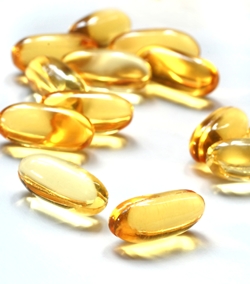
Fish Oil
As part of any healthy diet it is important to consume essential fats, specifically omega-3 and omega-6 fatty acids. Unless you frequently eat wild salmon, flax seeds, walnuts, or grass-fed beef, you are likely not getting enough omega-3 fats in your diet.
The benefits of fish oil range from the reduction in CHD risk, to improved cholesterol levels, to reduced inflammation. From a fitness perspective, the anti-inflammatory effects are likely the most beneficial – fish oil supplementation has proven to be as effective as some pain relievers like ibuprofen without any of the negative side effects67.
Dosing recommendations for athletes range from 2-4g of EPA/DHA per day. This is a CRITICAL note: to get the desired dose, look at the back label and add up the amount of EPA/DHA per pill rather than just looking at the total amount of fish oil listed on the front label. Often manufacturers will add useless filler oils to bump up the total content of each pill and give the illusion of a larger dose.
EPA/DHA content is what matters – quality fish oil nets out at > 500 mg combined per serving.
Lean It UP Picks:
Vitamin D
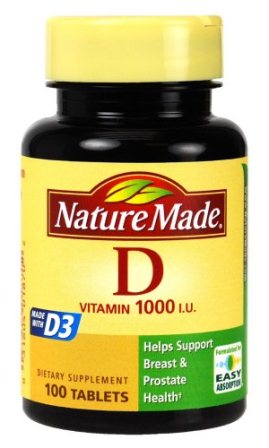
Vitamin D
Vitamin D is the most common vitamin deficiency in the United States and much of the rest of the world8. Most of our vitamin D is actually produced in the skin directly from sun exposure, however with our busy modern lives most people lack adequate UV exposure to stimulate sufficient vitamin D production.
Vitamin D is primarily responsible for calcium absorption and utilization, which is critical for the maintenance of strong teeth and bones. Adequate Vitamin D levels are also correlated with improved immune function9, optimal musculoskeletal performance10, and improved body composition11. For most adults, supplementing with 4,000-5,000 IU of Vitamin D3/day should ensure optimal vitamin D levels.
Lean It UP Picks:

Creatine

Creatine Monohydrate
Creatine is arguably the most well-researched, proven sports nutrition supplement after whey protein, as countless studies have found it to effectively increase strength and lean body mass12131415. Creatine acts naturally as an intracellular source of energy for high-intensity, anaerobic exercises; supplementation can saturate muscles and increase work capacity beyond any point they can reach naturally.
Although creatine is one of the most popular supplements, it should be noted that each individual may have their own response. About 20-30% of the population are “non-responders” and cannot substantially increase muscle creatine stores, therefore having little-to-no effect on strength and lean mass16.
Since creatine was first heavily researched in 1993 there have been numerous inquiries into its safety, particularly on kidney health. There is no evidence in scientific literature that indicates any potential health risks from supplementation with creatine17.
Creatine dosing should be 5g/day, every day, including non-training days. I recommend creatine monohydrate, as this is the cheapest and most well-studied form of creatine. There are other more expensive forms of creatine — including creatine ethyl-ester and creatine HCL — that claim to enter muscle cells more efficiently, but existing research does not support the notion that alternative forms are significantly more effective18.
As an aside — it is normal to gain up to five pounds within the first week or two after starting a creatine cycle. This is simply due to increased water retention within your muscles — it is NOT fat — and is an expected physiologic response to increased creatine reserves.
Lean It UP Picks:
Beta Alanine:
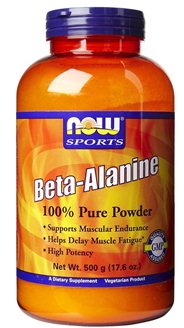
Beta Alanine
Beta Alanine is an amino acid that is relatively new in the sports nutrition world. The concentration of beta-alanine inside muscle tissue is the limiting factor in the production carnosine, a major component of an intracellular buffer system that prevents muscle acidosis (aka the burning sensation in your muscles during a tough set)1920. The goal of beta-alanine supplementation is to temporarily hold off muscular fatigue, allowing the athlete to perform more reps and/or use heavier weights and ultimately produce long-term improvements in strength2122. In addition to strength improvement, beta alanine can help enhance body composition by increasing lean mass and decreasing in body fat232425.
Although studied dosing has ranged from 3.2 to 6.4g/day, most research has shown beta alanine to be effective at 3.2-4g/day. Stick with the 3.2-4g/day range, otherwise it can get expensive without any added benefit. On training days, take beta alanine about 30 minutes prior to your workout; on non-training days, take the beta alanine whenever is convenient.
The most common side effect of beta alanine supplementation is a tingling feeling throughout the body due to stimulation of nerve receptors close to the skin. This is completely harmless and usually subsides as the body adapts to the supplement. One way to avoid the tingling is to take several split doses of 800 mg or lower throughout the day.
Lean It UP Picks:
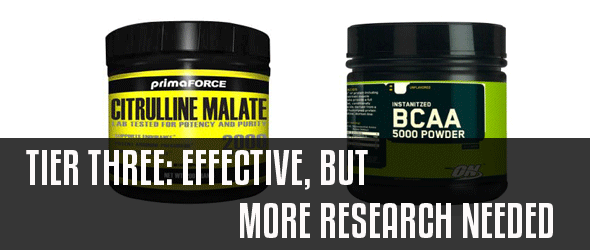
BCAA’s:
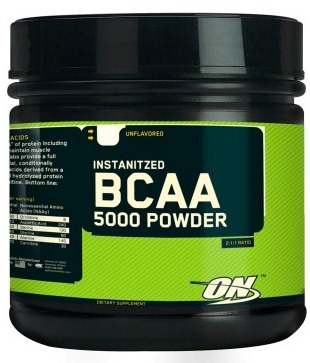
BCAAs
The Branched Chain Amino Acids or BCAAs include leucine, valine, and isoleucine (amino acids). BCAAs have been shown to increase muscle protein synthesis and prevent the breakdown of muscle tissue from resistance training and cardiovascular activity. The primary benefit from supplementing with BCAAs is the reduction of muscle soreness — particularly delayed onset muscle soreness (DOMS) — which typically peaks 24-72 hours after training2627282930.
While dosing is dependent on individual response, 10-15 g of BCAAs during pre-workout and intra-workout periods is recommended.
Lean It UP Picks:
Citruline Malate:
Citrulline Malate
Citrulline Malate (CM) combines the amino acid citrulline with malate, an organic salt. It plays a role in numerous biochemical reactions within muscle tissue, the net effect being reduced muscular fatigue and increased energy production31. While more definitive research is still needed, initial studies indicate that CM can reduce muscular soreness and hold off fatigue during a workout32.
Dosing is 6g-8g/day. On training days, take your CM 30 minutes prior to working out; on non-training days, take it anytime.
Lean It UP Picks:
Last Word — Pre-Workouts
I don’t recommend purchasing any specific pre-workout supplements, as most of them are an expensive, inflated way to get proven ingredients like beta alanine, creatine, and CM. Pre-workouts blend a number of additional ingredients that at best have questionable evidence to back them up – many of which have NO scientific backing – and in some cases can even be hazardous. Save your money, buy the quality ingredients showcased here in bulk, and make your own mix for a fraction of the price.

Joshua Nackenson
His primary athletic focus is powerlifting, where he competes in the 165lb and 181lb weight classes. In between powerlifting training and competitions, he stays fit by competing in local 5ks and Tough Mudder events.
Latest posts by Joshua Nackenson (see all)
- Resolution Better — 5 Tips For Making Successful New Year’s Resolutions In 2015 - January 5, 2015
- [Report] Supplement With Caution — Steroids, Viagra, And Other Banned Drugs Found In Multiple Dietary Supplements - October 28, 2014
- Not Growing? Stop Killing Your Training With These 5 Beginner’s Lifting Mistakes - September 25, 2014
Follow Lean It UP on Twitter, Facebook and Pinterest for real-time fitness/nutrition tips, advice, info and updates.
References, Notes, Links
- Hulmi JJ, Lockwood CM, Stout JR. Review effect of protein/essential amino acids and resistance training on skeletal muscle hypertrophy: A case for whey protein. Nutrition & Metabolism. 2010; 7:51. [↩]
- Stark M, Lukaszuk J, Prawitz A, Salacinski A. Protein timing and its effects on muscular hypertrophy and strength in individuals engaged in weight-training. J Int Soc Sports Nutr. 2012;9(1):54-2783-9-54. [↩]
- Stark M, Lukaszuk J, Prawitz A, Salacinski A. Protein timing and its effects on muscular hypertrophy and strength in individuals engaged in weight-training. J Int Soc Sports Nutr. 2012;9(1):54-2783-9-54. [↩]
- International Society of Sports Nutrition positionst and: Nutrient timing Chad Kerksick, Travis Harvey, Jeff Stout, Bill Campbell, Colin Wilborn,Richard Kreider, Doug Kalman, Tim Ziegenfuss, Hector Lopez, Jamie Landis,John L Ivy and Jose Antonio [↩]
- Coker RH, Miller S, Schutzler S, Deutz N, Wolfe RR. Whey protein and essential amino acids promote the reduction of adipose tissue and increased muscle protein synthesis during caloric restriction-induced weight loss in elderly, obese individuals. Nutrition journal. 2012;11(1):105. [↩]
- Simopoulos AP. Omega-3 fatty acids and athletics. Current Sports Medicine Reports. 2007;6(4):230-236. [↩]
- Maroon JC, Bost JW. Omega-3 fatty acids (fish oil) as an anti-inflammatory: An alternative to nonsteroidal anti-inflammatory drugs for discogenic pain. Surg Neurol. 2006;65(4):326-331. [↩]
- Forrest KY, Stuhldreher WL. Prevalence and correlates of vitamin D deficiency in US adults.Nutr Res. 2011;31(1):48-54. [↩]
- Ginde AA, Mansbach JM, Camargo Jr CA. Association between serum 25-hydroxyvitamin D level and upper respiratory tract infection in the third national health and nutrition examination survey. Arch Intern Med. 2009;169(4):384. [↩]
- Close G, Russell J, Cobley J, et al. Assessment of vitamin D concentration in non-supplemented professional athletes and healthy adults during the winter months in the UK: Implications for skeletal muscle function. J Sports Sci. 2012(ahead-of-print):1-10. [↩]
- Salehpour A, Hosseinpanah F, Shidfar F, et al. A 12-week double-blind randomized clinical trial of vitamin D3 supplementation on body fat mass in healthy overweight and obese women.Nutrition Journal. 2012;11(1):78. [↩]
- Branch JD. Effect of creatine supplementation on body composition and performance: A meta-analysis. Int J Sport Nutr Exerc Metab. 2003;13(2):198. [↩]
- Volek JS, Rawson ES. Scientific basis and practical aspects of creatine supplementation for athletes. Nutrition. 2004;20(7):609-614. [↩]
- Cribb PJ, Williams AD, Hayes A. A creatine-protein-carbohydrate supplement enhances responses to resistance training. Med Sci Sports Exerc. 2007;39(11):1960-1968. [↩]
- Kilduff LP, Pitsiladis YP, Tasker L, et al. Effects of creatine on body composition and strength gains after 4 weeks of resistance training in previously nonresistance-trained humans. Int J Sport Nutr Exerc Metab. 2003;13(4):504-520. [↩]
- Syrotuik DG, Bell GJ. Acute creatine monohydrate supplementation: A descriptive physiological profile of responders vs. nonresponders. J Strength Cond Res. 2004;18(3):610-617. [↩]
- Kim HJ, Kim CK, Carpentier A, Poortmans JR. Studies on the safety of creatine supplementation. Amino Acids. 2011;40(5):1409-1418. [↩]
- Spillane M, Schoch R, Cooke M, et al. The effects of creatine ethyl ester supplementation combined with heavy resistance training on body composition, muscle performance, and serum and muscle creatine levels. J Int Soc Sports Nutr. 2009;6:6-2783-6-6. [↩]
- Hoffman JR, Emerson NS, Stout JR. Beta-alanine supplementation. Curr Sports Med Rep. 2012;11(4):189-195. [↩]
- Artioli GG, Gualano B, Smith A, Stout J, Lancha AH,Jr. Role of beta-alanine supplementation on muscle carnosine and exercise performance. Med Sci Sports Exerc. 2010;42(6):1162-1173. [↩]
- Kern BD, Robinson TL. Effects of beta-alanine supplementation on performance and body composition in collegiate wrestlers and football players. J Strength Cond Res. 2011;25(7):1804-1815. [↩]
- Hobson R, Saunders B, Ball G, Harris R, Sale C. Effects of β-alanine supplementation on exercise performance: A meta-analysis. Amino Acids. 2012:1-13. [↩]
- Hoffman JR, Emerson NS, Stout JR. Beta-alanine supplementation. Curr Sports Med Rep. 2012;11(4):189-195. [↩]
- Kern BD, Robinson TL. Effects of beta-alanine supplementation on performance and body composition in collegiate wrestlers and football players. J Strength Cond Res. 2011;25(7):1804-1815. [↩]
- Hobson R, Saunders B, Ball G, Harris R, Sale C. Effects of β-alanine supplementation on exercise performance: A meta-analysis. Amino Acids. 2012:1-13. [↩]
- Howatson G, Hoad M, Goodall S, Tallent J, Bell PG, French DN. Exercise-induced muscle damage is reduced in resistance-trained males by branched chain amino acids: A randomized, double-blind, placebo controlled study. J Int Soc Sports Nutr. 2012;9(1):20. [↩]
- Jackman SR, Witard OC, Jeukendrup AE, Tipton KD. Branched-chain amino acid ingestion can ameliorate soreness from eccentric exercise. Med Sci Sports Exerc. 2010;42(5):962-970. [↩]
- Matsumoto K, Koba T, Hamada K, Sakurai M, Higuchi T, Miyata H. Branched-chain amino acid supplementation attenuates muscle soreness, muscle damage and inflammation during an intensive training program. J Sports Med Phys Fitness. 2009;49(4):424-431. [↩]
- Shimomura Y, Yamamoto Y, Bajotto G, et al. Nutraceutical effects of branched-chain amino acids on skeletal muscle. J Nutr. 2006;136(2):529S-532S. [↩]
- Shimomura Y, Inaguma A, Watanabe S, et al. Branched-chain amino acid supplementation before squat exercise and delayed-onset muscle soreness. Int J Sport Nutr Exerc Metab. 2010;20(3):236-244. [↩]
- Bendahan D, Mattei JP, Ghattas B, Confort-Gouny S, Le Guern ME, Cozzone PJ. Citrulline/malate promotes aerobic energy production in human exercising muscle. Br J Sports Med. 2002;36(4):282-289. [↩]
- Perez-Guisado J, Jakeman PM. Citrulline malate enhances athletic anaerobic performance and relieves muscle soreness. J Strength Cond Res. 2010;24(5):1215-1222. [↩]


 Lean It UP is a web community that touches all ends of the fitness spectrum. We regularly publish workout plans, nutritional analysis, product reviews, supplement advice, recipes, and other related content that can help inform and educate on the most effective, practical ways to improve fitness levels, aesthetics, and overall health. We want to help YOU build your own perfect body -- hop on for the ride.


